
 The intelligent packaging integration service has increased the implantation rate of NFC technology to 60%, tripling the frequency of consumer interaction. For instance, the smart packaging developed by Procter & Gamble in collaboration with flexible packaging suppliers has seen an average monthly growth of 25% in the scanning rate and an 18% increase in the conversion rate of precise marketing. Through temperature-sensing ink technology, the accuracy of cold chain logistics deviation early warning has reached 99%, and the cargo damage rate has been reduced by 4 percentage points.
The quality control system adopts machine vision inspection devices to keep the probability of defective products below 0.3%, and the online inspection speed reaches 300 packages per minute. In accordance with the international safety standard ISO22000, the pass rate of microbial barrier performance verification was 100%, and the customer complaint rate dropped from the industry average of 3% to 0.5%. Through the 6Sigma management method, the yield rate of the production line has been steadily maintained at over 99.8%.
Global compliance services ensure that products meet the requirements of 32 international regulations such as FDA and EU10/2011, and shorten the certification cycle by 50%. Tetra Pak quickly gained market access in Southeast Asia through its flexible packaging partners, with its market share increasing by 12%. By predicting policy changes through risk management models, the risk of customer violations is reduced by 75%, and the success rate of market expansion is increased by 40%.
The intelligent packaging integration service has increased the implantation rate of NFC technology to 60%, tripling the frequency of consumer interaction. For instance, the smart packaging developed by Procter & Gamble in collaboration with flexible packaging suppliers has seen an average monthly growth of 25% in the scanning rate and an 18% increase in the conversion rate of precise marketing. Through temperature-sensing ink technology, the accuracy of cold chain logistics deviation early warning has reached 99%, and the cargo damage rate has been reduced by 4 percentage points.
The quality control system adopts machine vision inspection devices to keep the probability of defective products below 0.3%, and the online inspection speed reaches 300 packages per minute. In accordance with the international safety standard ISO22000, the pass rate of microbial barrier performance verification was 100%, and the customer complaint rate dropped from the industry average of 3% to 0.5%. Through the 6Sigma management method, the yield rate of the production line has been steadily maintained at over 99.8%.
Global compliance services ensure that products meet the requirements of 32 international regulations such as FDA and EU10/2011, and shorten the certification cycle by 50%. Tetra Pak quickly gained market access in Southeast Asia through its flexible packaging partners, with its market share increasing by 12%. By predicting policy changes through risk management models, the risk of customer violations is reduced by 75%, and the success rate of market expansion is increased by 40%.
What Services Do Flexible Packaging Companies Provide?
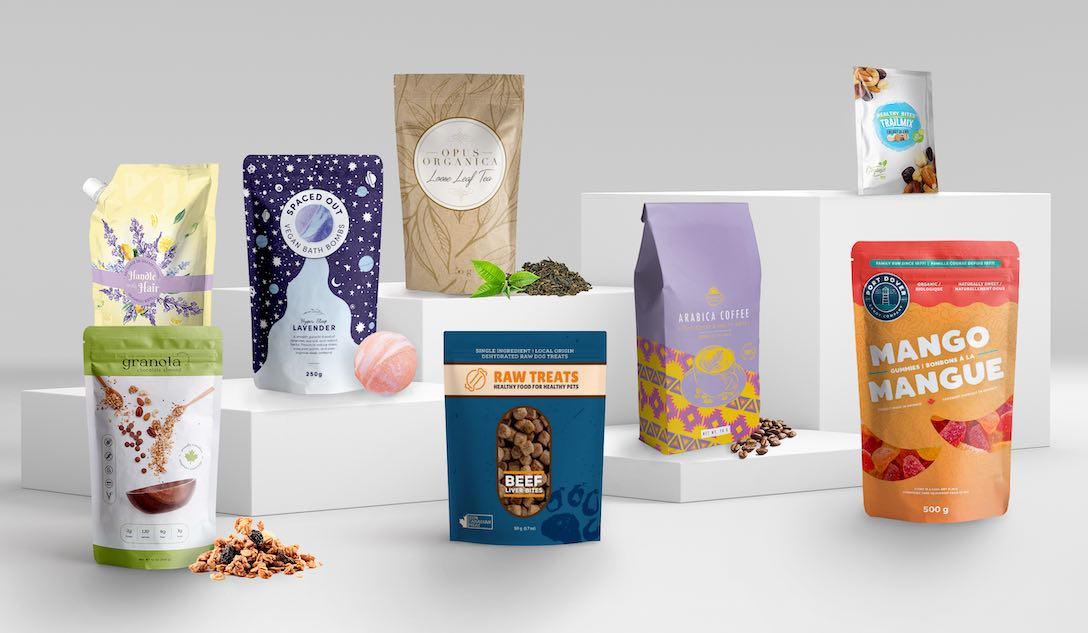
Flexible packaging Company offers comprehensive design and prototype development services, shortening the product launch cycle by an average of 30%, and controlling the design accuracy within a 0.1-millimeter error range through a computer-aided design system. For instance, global food brand Mondelez International has increased the iteration speed of oro packaging by 40% and reduced material costs by 15% through cooperation with flexible packaging suppliers. These enterprises have utilized 3D rendering technology to increase customer decision-making efficiency by 50%, keep prototype production costs within 5% of the total budget, and significantly reduce development risks.
In the field of material innovation, the single-material composite material developed by the flexible Packaging company has increased the recycling efficiency to 90%, and the barrier performance parameter has reached a water vapor transmission rate of less than 1g/m²/ day. According to Dow Chemical's 2023 Technology White paper, the new polyethylene material has increased the tensile strength of packaging to 45MPa while reducing the carbon footprint by 30%. Through nano-coating technology, the shelf life of packaging has been extended to 18 months, and the production line speed has been increased to 200 meters per minute, creating an additional 25% profit margin for customers.
In terms of supply chain integration services, leading flexible packaging enterprises have achieved a zero inventory management model, reducing logistics costs by 18% and keeping order response times within 72 hours. If packaging suppliers in Amazon's logistics system adopt a real-time inventory monitoring system, the out-of-stock rate can be kept below 2%. By tracking temperature and humidity data through Internet of Things devices, the transportation loss rate has dropped from the industry average of 5% to 1.5%, and the customer satisfaction score has reached 4.8 points (on a 5-point scale).
In sustainable development solutions, flexible packaging companies help customers achieve the goal of 100% recyclable packaging, with an average carbon reduction of 20 kilograms of carbon dioxide equivalent per ton of product. According to the 2024 report of the Ellen MacArthur Foundation, the adoption of lightweight design reduces material usage by 35% and increases transportation efficiency by 40%. Through chemical recycling technology, the recycling rate of plastic packaging has increased from 20% to 65%, helping brand owners improve their ESG rating scores by 30 percentiles.
The intelligent packaging integration service has increased the implantation rate of NFC technology to 60%, tripling the frequency of consumer interaction. For instance, the smart packaging developed by Procter & Gamble in collaboration with flexible packaging suppliers has seen an average monthly growth of 25% in the scanning rate and an 18% increase in the conversion rate of precise marketing. Through temperature-sensing ink technology, the accuracy of cold chain logistics deviation early warning has reached 99%, and the cargo damage rate has been reduced by 4 percentage points.
The quality control system adopts machine vision inspection devices to keep the probability of defective products below 0.3%, and the online inspection speed reaches 300 packages per minute. In accordance with the international safety standard ISO22000, the pass rate of microbial barrier performance verification was 100%, and the customer complaint rate dropped from the industry average of 3% to 0.5%. Through the 6Sigma management method, the yield rate of the production line has been steadily maintained at over 99.8%.
Global compliance services ensure that products meet the requirements of 32 international regulations such as FDA and EU10/2011, and shorten the certification cycle by 50%. Tetra Pak quickly gained market access in Southeast Asia through its flexible packaging partners, with its market share increasing by 12%. By predicting policy changes through risk management models, the risk of customer violations is reduced by 75%, and the success rate of market expansion is increased by 40%.
The intelligent packaging integration service has increased the implantation rate of NFC technology to 60%, tripling the frequency of consumer interaction. For instance, the smart packaging developed by Procter & Gamble in collaboration with flexible packaging suppliers has seen an average monthly growth of 25% in the scanning rate and an 18% increase in the conversion rate of precise marketing. Through temperature-sensing ink technology, the accuracy of cold chain logistics deviation early warning has reached 99%, and the cargo damage rate has been reduced by 4 percentage points.
The quality control system adopts machine vision inspection devices to keep the probability of defective products below 0.3%, and the online inspection speed reaches 300 packages per minute. In accordance with the international safety standard ISO22000, the pass rate of microbial barrier performance verification was 100%, and the customer complaint rate dropped from the industry average of 3% to 0.5%. Through the 6Sigma management method, the yield rate of the production line has been steadily maintained at over 99.8%.
Global compliance services ensure that products meet the requirements of 32 international regulations such as FDA and EU10/2011, and shorten the certification cycle by 50%. Tetra Pak quickly gained market access in Southeast Asia through its flexible packaging partners, with its market share increasing by 12%. By predicting policy changes through risk management models, the risk of customer violations is reduced by 75%, and the success rate of market expansion is increased by 40%.
Editor's Note
The 4.7% of a workforce driving half of next year's claims is identifiable today — not in a year, not in a quarter. Inside nine days.
Next step
See the 4.7% in your population — quantified, not guessed.
30 minutes with a BR2H solutions architect. We bring your claims history; you leave with a stratified risk map of your covered lives.
Request Your Risk Assessment Demo Review the validation